Lesson #5: You Are the Mountain
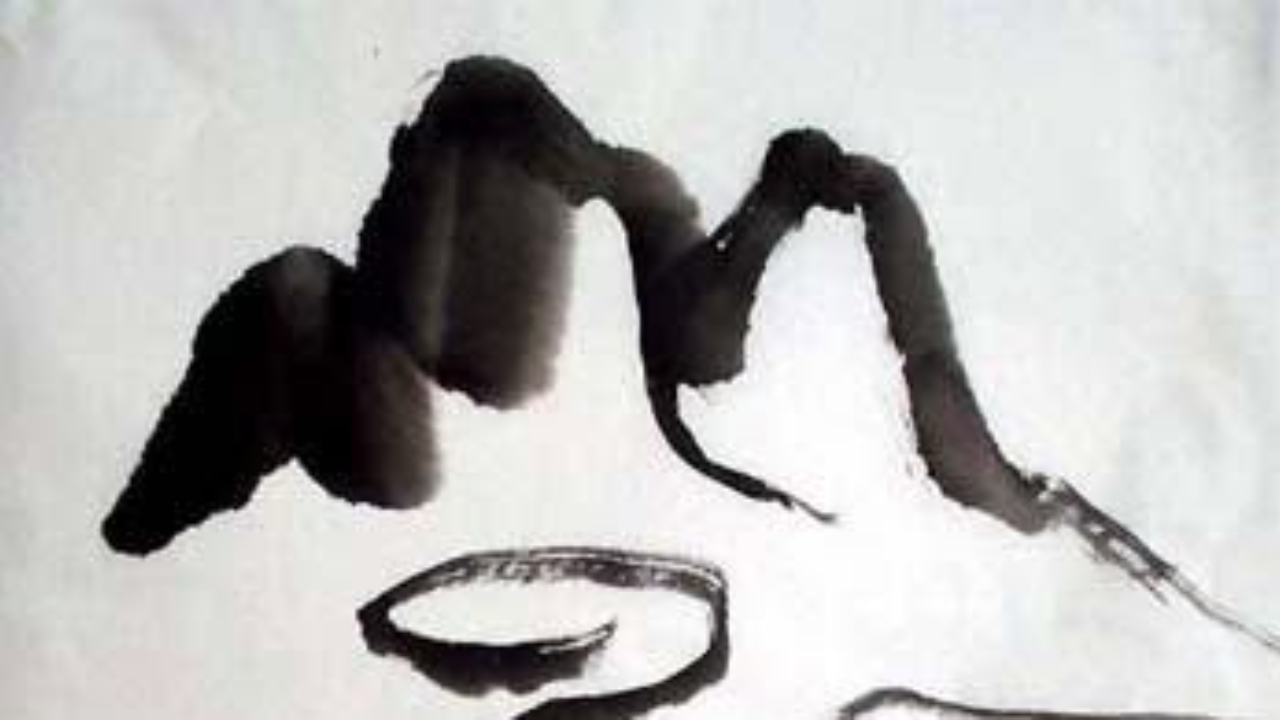
In Wild Goose Qigong (as in life), you are not just the 'goose'; you are also the mountain...
The mountain is a symbol for the inner obstacles we all carry, and Wild Goose Qigong treats these not as enemies to defeat, but as the very ground on which we grow.
At times, this Kunlun mountain stands as a symbol of strength and stability — the pillar between earth and heaven. But it also represents the obstacles within ourselves: inertia, resistance, the stubborn nature of our own thoughts, habits, and fears.
The mountain within you can feel immovable. It may manifest as self-doubt, old patterns of behavior, or the reluctance to ch...
Lesson #4: You Are the Goose
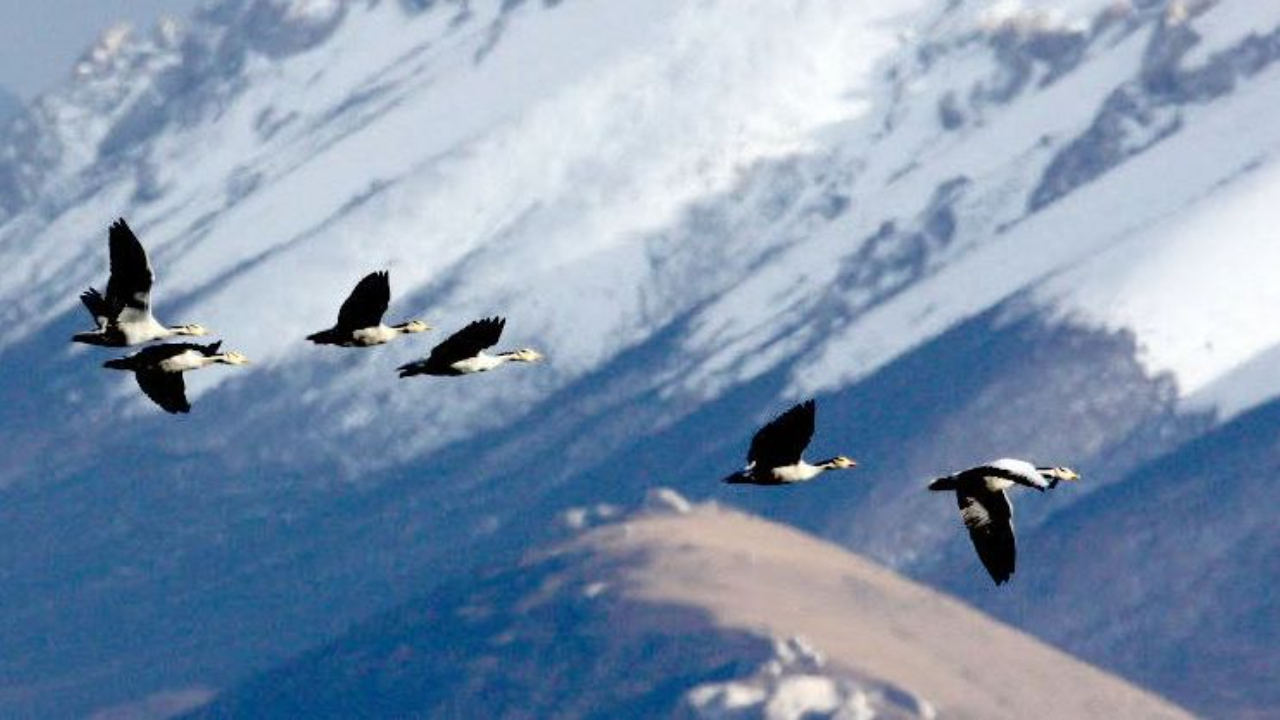
In the practice of Wild Goose Qigong, you are the goose. Why did the Daoist originators choose this bird on which to build the system?
The Bar-Headed Goose is one of the highest-flying birds on Earth, migrating over the Himalayas and Kunlun Mountains, which is why Daoist originators used it as the founding image for this qigong system.
The Bar-Headed Goose (or in Chinese - "Da Yan" 大雁 = ‘great goose’) embodies freedom, adaptability, resilience and the courage to journey through life’s challenges. It is renowned for its awe-inspiring migrations over the Kunlun Mountains and Himalayas, and is a symbol of connection to the natural worl...
Lesson #3: Avoid ‘Silvery’ Objects

[In this lesson, 'silvery objects' is a metaphor for the shiny distractions — new techniques, quick fixes, other systems — that pull practitioners away from consistent practice].
On your journey of self-cultivation, the path may sometimes seem slow or uncertain. In these moments, distractions can appear in the form of “silvery” objects—new, shiny solutions that promise instant results or shortcuts to your goals. They glimmer with appeal, tempting you to veer away from the steady rhythm of your practice.
In Wild Goose Qigong, as in life, these silvery objects might be new techniques, untested ideas, or the belief that progress lie...
Lesson #2: Perfection of the Plain
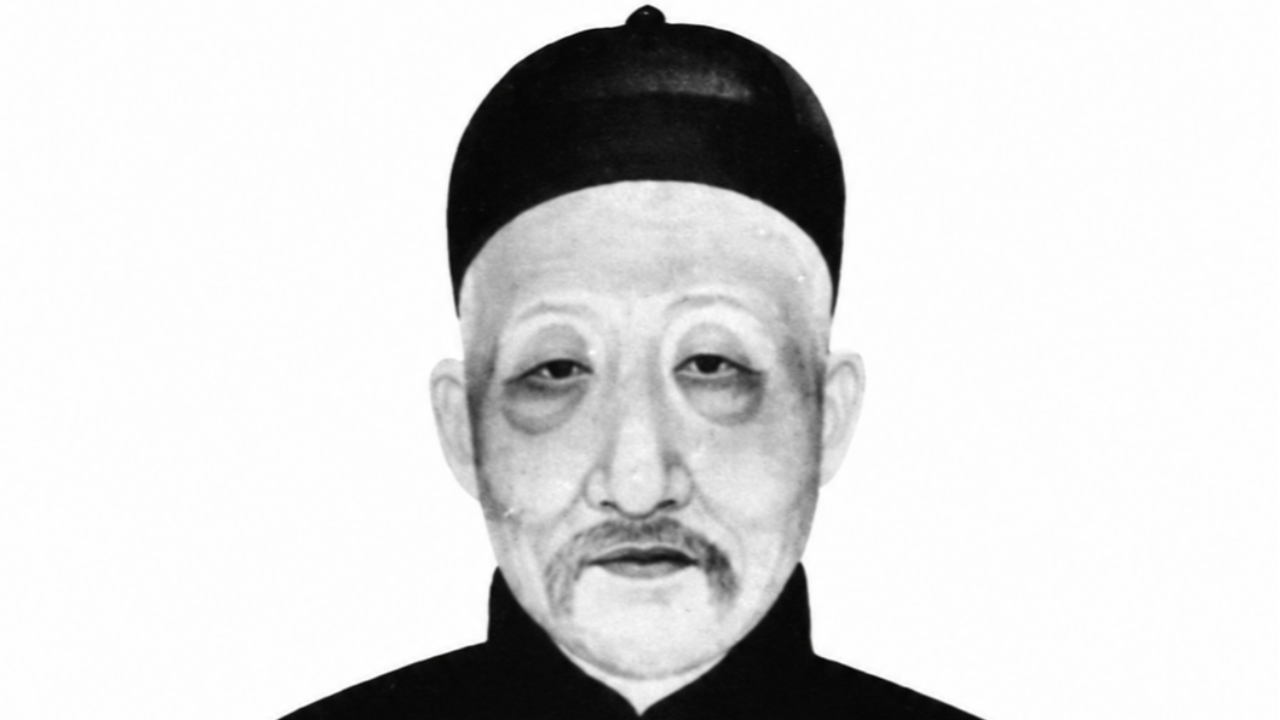
"There exists no miraculous methods in the world, only plain ones, and the perfection of the plain is miraculous."
— Fei Bo-Xiong, Chinese Doctor, 1863.
Fei Bo-Xiong, a renowned physician of the Qing Dynasty, spent over 60 years refining his clinical practice. Known for his innovation in herbal medicine and success in treating the “five overstrains and seven injuries”, he exemplified the principle that extraordinary outcomes arise from mastering the ordinary.
[Five Overstrains and Seven Injuries (五劳七伤), is a classical TCM term for the internal damage caused by prolonged overexertion of the body, mind, and emotions].
His phil...
Lesson #1: "My Future Is in My Hands (Not in the Heavens)".
Over the next 5 posts, I am going to be posting one of 5 Lessons - short motivational lessons I've written to help guide and uplift your Qigong practice:
- Lesson #1: "My Future Is in My Hands (Not in the Heavens)"
- Lesson #2: Perfection of the Plain
- Lesson #3: Avoid 'Silvery' Objects
- Lesson #4: You Are the Goose
- Lesson #5: You Are the Mountain
Let's jump straight into today's lesson...
Lesson #1: "My Future Is in My Hands (Not in the Heavens)"
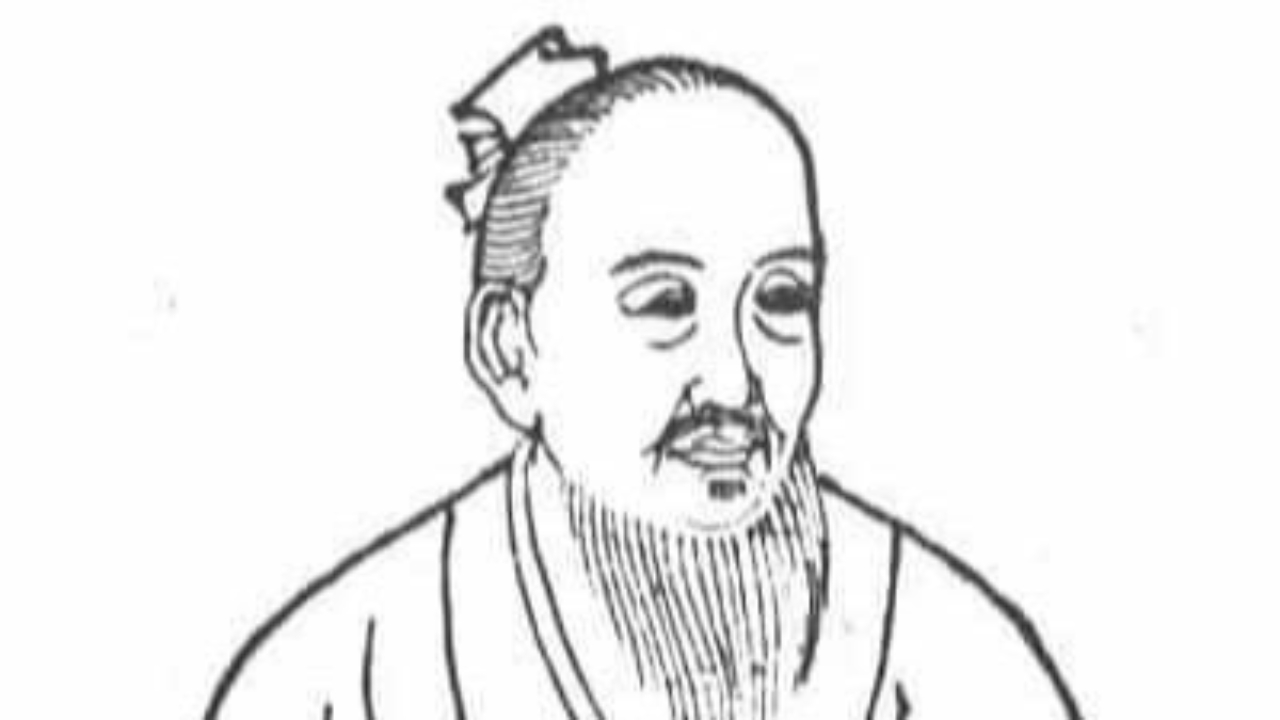
Ge Hong was a Daoist scholar and physician who lived in China from 283 to 343 CE. He offered profound insights into the nature of longevity and personal agency. His teachings ...
Author
Gregg Wagstaff
Senior Instructor / Shifu
Gregg Wagstaff | 衛仕達 is Founder & Creator of the Da Yan Academy and Instructor for the Da Yan / Wild Goose Qigong Association (UK) since 2002. He trained in UK and China under Master Chan Kim Fung (Hong Kong) and Master Wang Tai Li (Beijing), both 'in-door' students of the 27th Grandmaster, Yang Mei June.
From 2004 Gregg opened GreggsClinic - offering Traditional Chinese Acupuncture, Tui Na Medical Massage and Qigong to treat pain and dysfunction, and achieve optimal health and wellness for his clients.
Today, Gregg combines all of this experience to offer health coaching, 1-to-1 training, classes, workshops and retreats. Wild Goose Qigong remains at the core of his personal and professional practice. He created the Da Yan Academy as a dedicated platform to collate, research and teach authentic Wild Goose Qigong, world-wide.